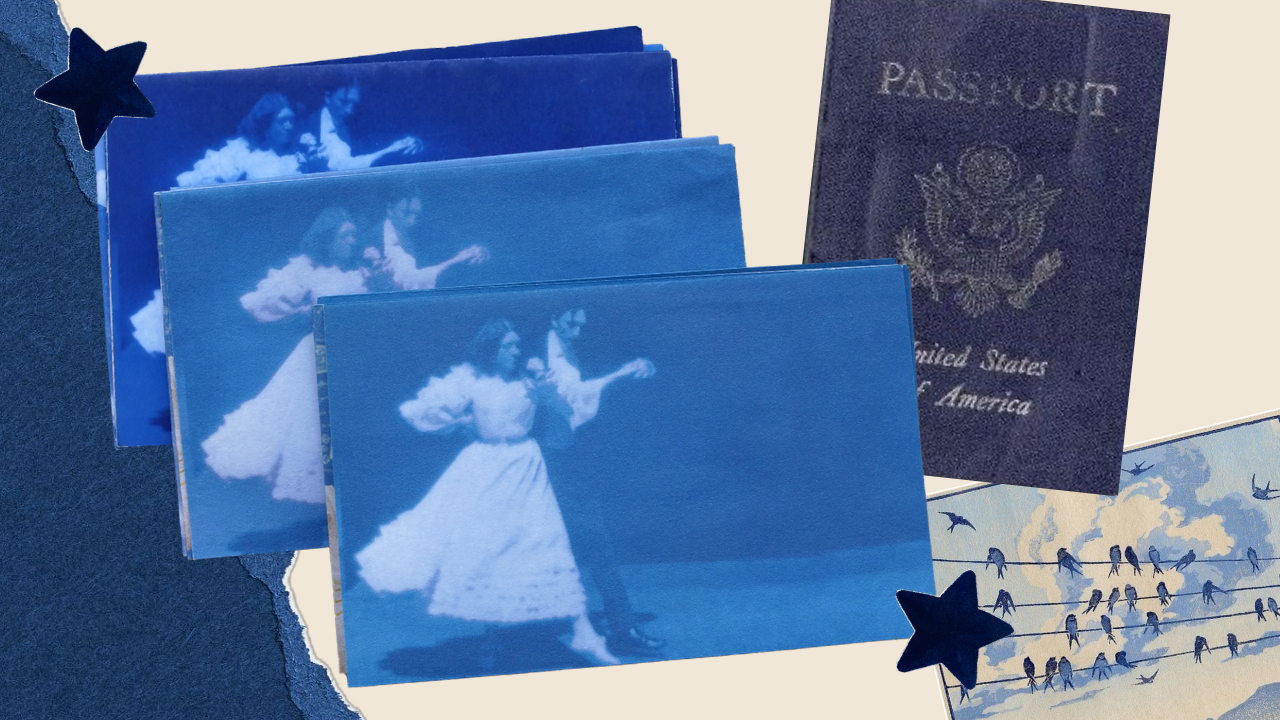

Starting a new creative project can be daunting, but creating a zine doesn’t have to be. Whether you’re an artist, writer, designer, musician, or anything in between, a zine is a great way to express your thoughts in a creative and relaxing way by yourself or with friends.
Zines have long existed as creative outlets. They allow people to publish ideas quickly, experiment freely, and share work without needing permission from a larger institution or publisher. For many creators, making a zine is one of the most accessible ways to bring an idea into the physical world.
Ideation
What is a zine?
A zine (pronounced “zeen,” short for magazine) is a self-published booklet created to share art, ideas, or passions.
Originally created by science fiction enthusiasts in the early twentieth century, early fanzines were a means for fans to discuss niche interests that fell outside the reach of traditional publishing. These publications allowed communities to form shared interests that were often ignored by mainstream media.
Later in the twentieth century, punk culture embraced zines to support the movement’s do-it-yourself attitude. Punk zines combined music coverage, personal writing, political commentary, collage art, and photocopied graphics to create something that went against the grain.
Today, zines continue to serve as a space for experimentation and independence. Zines function as creative playgrounds. Unlike traditional publications, they are not constrained by strict formats or expectations. They can be about anything: song lyrics, poems, observations about daily life, photography, your favorite kind of rock, a fictional story, or a collection of pictures of your cat.

What is your zine about?
If you’ve never made a zine before, getting started may feel intimidating, but the best way to begin is simply by making one. Their charm often comes from roughness and spontaneity, not perfection.
Your topic doesn’t need to be groundbreaking. Many great zines start with something small, personal, or oddly specific.
Here are a few ideas to get started:
- Photos that are already sitting in your camera roll
- Animals that don’t exist yet
- Your favorite film, album, or video game franchise
- A collection of stories about your pets
- A short comic or illustrated narrative
- Baking recipes or favorite meals
- Notes from places you’ve traveled
- Screenshots from your phone
- Lists of songs that remind you of certain seasons
- Things you noticed this week
Sometimes the most interesting zines are ones built around everyday observations.
Production
Now that you have a topic, there are a few things to consider before beginning the physical creation process.
How will you design it?
Zines can take almost any form. While many are printed booklets, they can also be folded posters, single-page pamphlets, or even small sculptural objects. Some creators combine digital layout tools with handmade elements, while others prefer to work entirely by hand.
You might design your pages in software like InDesign and then print them out, or you might draw, collage, and write directly onto the page. Some people scan handmade pages to create digital versions, while others keep their work entirely analog.
Because zines emphasize personal expression, there is no “correct” way to make one. If you feel most comfortable drawing by hand, start there. If you enjoy experimenting with digital layouts, lean into that. Many creators also use zines as an opportunity to experiment with techniques they’ve never tried before.
The most important thing is simply to start.
How will it look?
Beyond the content itself, the visual tone of your zine helps communicate its personality.
Think about the mood you want to create. A zine filled with quiet photography may use soft colors and minimal text, while a zine about punk music might lean toward bold typography and layered collage.
Some things to consider include:
- Color palette: Is the zine monochrome, brightly colored, or something in between?
- Typography: Are you using handwriting, digital fonts, or cut-out letters?
- Imagery: Will the pages rely on drawings, photos, collage, or a mix?
- Layout: Are pages structured and clean, or chaotic and layered?
Even simple choices can help tie the entire zine together. Repeating colors, shapes, or visual motifs across pages can create a sense of cohesion.
How will your audience interact with it?
Another important consideration is the physical experience of the zine.
How will someone hold it? Will it fit into a pocket, or will it be larger and more substantial? Is it a single folded sheet or multiple pages stapled together?
Some common zine formats include:
- Single-sheet mini zines made from one folded page
- Stapled booklets with multiple printed sheets
- Accordion folds that expand into long visual sequences
- Loose page collections kept inside envelopes or folders
The way the zine opens and unfolds can become part of the storytelling experience. A folded page might reveal a large illustration, while a small booklet encourages slower page-by-page reading.
These small design decisions shape how readers move through the work.

Distribution
Once your zine is finished, you may start thinking about how (or if) you want to share it.
Some creators make zines purely for personal expression, while others enjoy circulating their work within communities. There are many ways to distribute a zine depending on your goals.
You might:
- Give copies to friends
- Leave them in local bookstores or cafes
- Trade zines with other creators
- Sell them at art fairs or zine festivals
- Mail them to collaborators or pen pals
- Upload a digital version online
Zine culture thrives on sharing and exchange. Many creators trade their work, building informal creative archives.
Even printing a handful of copies can make the experience feel meaningful.
Conclusion
One of the most appealing aspects of zines is their diversity and simplicity. They don’t require expensive materials, professional equipment, or a large audience. A single sheet of paper, a pen, and a stapler can be enough to get started.
Sometimes the best way to begin a project is simply to make something small and see where it leads.
Your first zine doesn’t have to be perfect; it just has to exist.
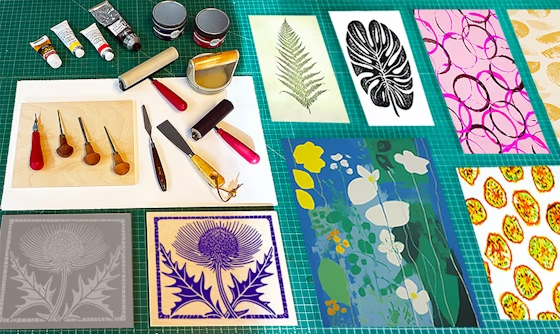
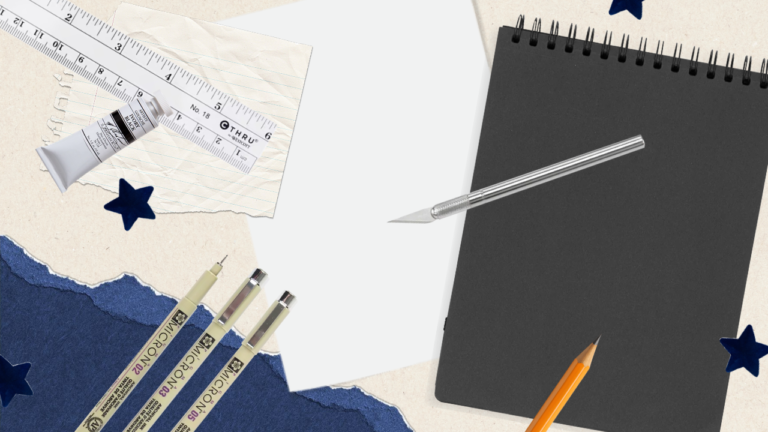
[…] mockup? Bone folder. Zine? Bone folder. (Check out our article: How to Make a Zine)Crisp paper fold? I think […]