
You’ve probably seen artists and designers on Instagram posting reels about starting their own print clubs.
Maybe you’ve thought about starting one yourself but aren’t quite sure where to begin.
Between planning content, organizing subscriptions, packaging artwork, and handling shipping logistics, print clubs can feel overwhelming at first. But with the right systems in place, they can become a meaningful way to share your work and build a stronger connection with your audience.
This guide covers everything you need to know before starting your own print club, from choosing a platform to packaging your first shipment.

What Is a Print Club?
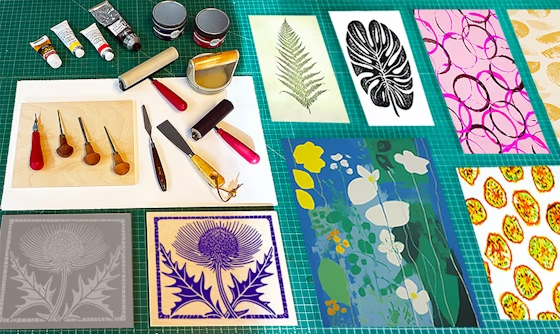
A snail mail club, also known as a print club, mail club, or collectors club, is a recurring subscription service where members pay a monthly fee to receive exclusive physical items in the mail.
These can include:
- Art prints
- Stickers
- Mini zines
- Postcards
- Small collectibles
- Process notes or behind-the-scenes material
Print clubs are often used by artists and designers to build community, create recurring income, and offer subscribers a more intentional experience with their work.
Unlike digital content, physical mail demands attention in a different way. For many creators, print clubs have emerged as a response to digital fatigue.
In a landscape dominated by endless scrolling, algorithmic content, and increasingly automated creative output, print clubs offer something tactile and deliberate. They ask audiences to slow down and, in doing so, they create a different relationship between artists and viewers.
Why Start One?
Starting a print club can serve several purposes. For some, it’s about creating a sustainable source of income. For others, it’s about building a closer relationship with an audience. And for many, it’s simply about creating work that exists outside of the internet.
A print club allows you to build a dedicated creative community where you can experiment with smaller ideas and share physical work directly with supporters.
Print clubs also give creators structure to create work on a consistent schedule. Knowing you need to create something every month can become a strong motivator.

Getting Started
Print clubs require planning, consistency, and realistic expectations. Before launching, you need to spend some time thinking through logistics.
Choose a Subscription Platform
You’ll need a platform that can manage recurring payments, subscriber lists, and communication.
Some popular options include:
- Squarespace: Great if you already have a personal website and want everything managed in one place.
- Best for: Designers with established portfolios
- Patreon: A popular option for creators with built-in subscription tools. Also makes it easy to offer tiered memberships.
- Best for: Community-driven creators
- Substack: Ideal if your print club is paired with writing, newsletters, or editorial content.
- Best for: Writers and multidisciplinary artists
- Ko-fi: Simple and flexible with lower barriers to entry.
- Best for: Smaller independent launches
- Shopify: Excellent for scaling but requires more setup.
- Best for: Larger or product-focused clubs
Choose a platform that feels right for you and will be manageable in the long run. The easier it is to maintain, the more sustainable your print club will be.
Decide What Members Receive
Subscribers should know what they’re signing up for, and you should be passionate about what you’re creating. Be true to yourself and make sure you enjoy the process.
Some ideas include:
- Monthly Print: a single exclusive art print that’s simple and easy to manage.
- Print + Extras: a print paired with stickers, postcards, or notes
- Mini Zine Club: a small self-published booklet each month. This option is perfect for storytelling or themed collections. Read our article on How to Make a Zine.
- Rotating Experiments: create different formats each month. This keeps things exciting, but requires more planning.
Consistency matters more than complexity. It’s better to send one well-made print every month than to overpromise and burn out.

Set Pricing Carefully
Pricing should cover:
- Printing costs
- Packaging materials
- Shipping
- Platform fees
- Your time
Many first-time creators underprice their work. But remember, subscribers are not just paying for paper. They’re paying for your creative labor, curation, and the experience itself.
Start simple. You can always adjust your pricing later.
Create a Production Schedule
The easiest way to lose momentum is to create everything at the last minute. Build a repeatable workflow.
For example:
Week 1: Concept development
Week 2: Design and revisions
Week 3: Print production
Week 4: Packaging and shipping
Systems make consistency possible, so create a system you know you can stick to.
Invest in Packaging
Packaging is part of the experience. The moment a subscriber opens your mail is often their first interaction with that month’s work.
Consider:
- Branded envelopes
- Protective sleeves
- Custom inserts
- Handwritten notes
- Stamps or stickers
Small details make your print club feel thoughtful and collectible.
Promote Thoughtfully
You do not need thousands of followers to launch successfully. You need clarity.
When promoting your print club, focus on communicating:
- What members receive
- How often they receive it
- Why it’s special
- Why now is the right time to join
Good places to promote include:
- Instagram: reels, posts, and stories
- TikTok: process videos (most these to reels too!)
- Email newsletters
- Portfolio websites
Show the physicality of the experience. People connect more strongly when they can imagine holding the work.

Build Community
The strongest print clubs are not just transactions. They’re communities! Invite members into your process, share sketches, talk about your inspiration and ask for feedback.
Subscribers stay because they feel connected to both the work and the person making it.
Start Small
You don’t need 1,000 subscribers or luxury packaging. You need a good idea and the willingness to commit. Even five subscribers is enough to begin.
Many successful print clubs started as small experiments. The most important thing is consistency.
Why Print Still Matters
Print clubs exist because physical media still matters. In a digital environment where content disappears in seconds, printed work asks to be held onto. It becomes part of someone’s space.
There is something powerful about creating work that arrives slowly and stays. And that’s what makes print clubs worth starting.